
10 Best Creams for Skin Barrier Repair
- Michelle Ritchie
- Apr 25
- 5 min read
Your moisturizer can feel rich, expensive, and beautifully packaged - and still do very little for a stressed-out barrier. When people search for the best creams for skin barrier repair, what they usually need is not just more hydration. They need a formula that helps skin hold onto moisture, stay calm, and feel comfortable again.
A damaged barrier tends to show up in familiar ways. Skin feels tight right after cleansing, stings when you apply products, looks dull instead of glowy, and can swing between dry patches and sudden sensitivity. Sometimes breakouts appear too, which makes the whole situation more confusing. The instinct is often to add more actives, but barrier repair usually asks for the opposite - fewer steps, more support, and the right cream.
What makes the best creams for skin barrier repair?
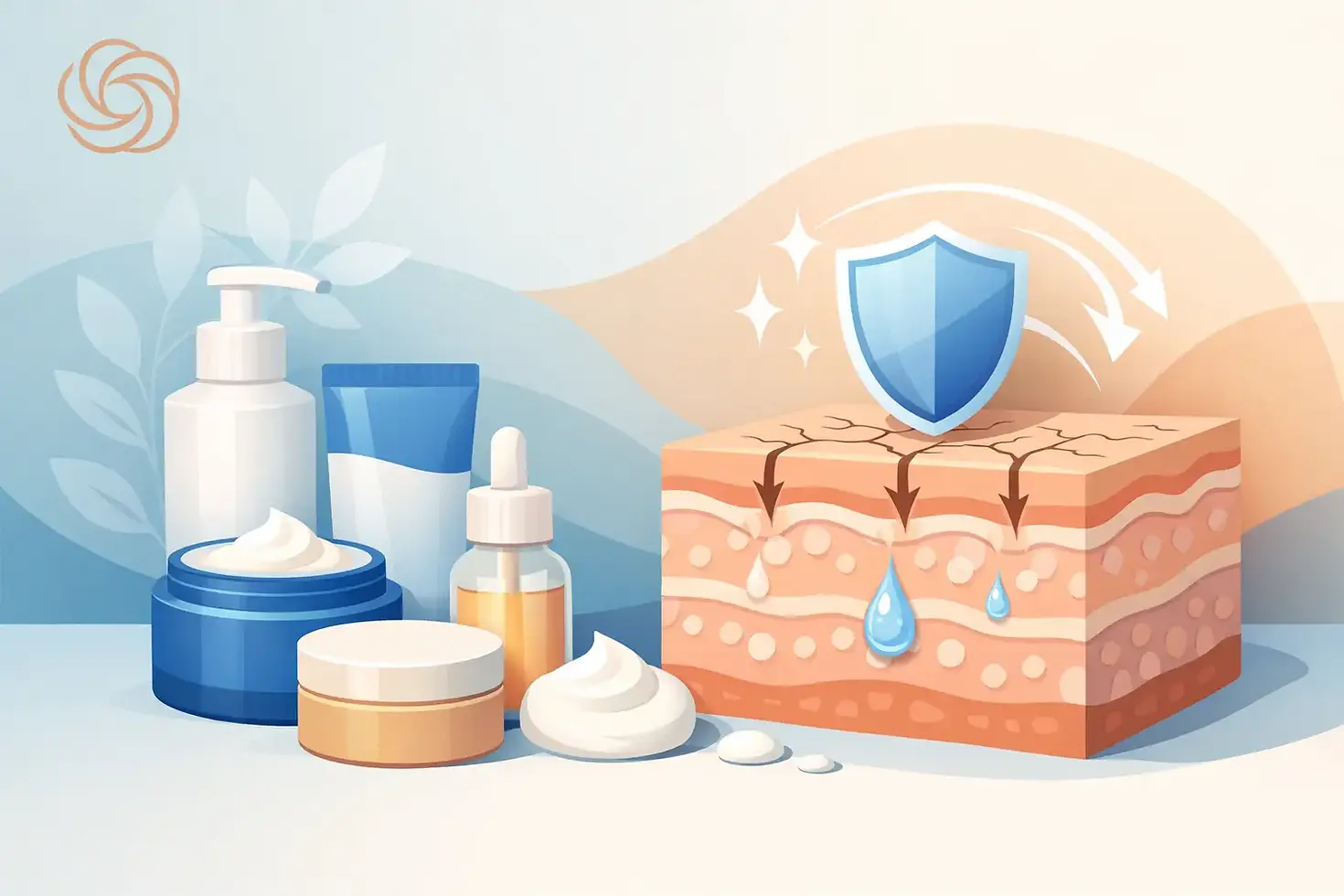
The best barrier creams do two jobs at once. First, they reduce water loss so skin can stay hydrated for longer. Second, they replenish the kinds of ingredients a healthy barrier naturally relies on.
That usually means looking for a blend of humectants, emollients, and occlusives. Humectants such as glycerin and hyaluronic acid draw water into the skin. Emollients soften rough texture and make skin feel smoother. Occlusives create a protective seal that helps stop moisture from escaping. A cream that only does one of these jobs may feel nice for an hour, then leave you right back where you started.
Ceramides are often the standout ingredient here because they are already part of the skin barrier itself. Fatty acids and cholesterol also matter because they help restore that lipid layer that keeps skin resilient. Then there are soothing extras like panthenol, colloidal oatmeal, squalane, allantoin, and centella asiatica, which can make a big difference when skin feels reactive.
Texture matters too. If your barrier is compromised, a lightweight gel may not be enough, especially at night or during cold weather. On the other hand, if you are acne-prone or dislike heavy finishes, an overly occlusive cream can feel suffocating. The best choice depends on how dry, sensitive, or congestion-prone your skin is right now.
How to recognize a barrier-supportive cream
A good skin barrier cream usually feels comforting within minutes, but the real test is how your skin behaves over the next week or two. It should feel less tight, less red, and less unpredictable. Makeup often sits better on top, and that papery, dehydrated look starts to fade.
Fragrance-free formulas are often the safest option when your skin is irritated, though not everyone needs to avoid fragrance forever. If your barrier is very compromised, it helps to keep the rest of your routine simple as well. A nourishing cleanser, one hydrating serum if you enjoy it, and a reparative cream is often enough.
Watch out for creams that are marketed as repairing but are packed with strong exfoliating acids, high levels of retinol, or lots of essential oils. Those can be beautiful ingredients in the right routine, but not when your barrier is already asking for a break.
10 best creams for skin barrier support
1. Ceramide-rich cream
If your skin feels thin, dry, or easily irritated, ceramide creams are usually the first place to look. They help reinforce the barrier with ingredients your skin naturally uses. This is often the most reliable category for anyone recovering from over-exfoliation, seasonal dryness, or retinoid irritation.
2. Cholesterol and fatty acid cream
Ceramides get most of the attention, but cholesterol and fatty acids are part of the same story. Creams that combine all three tend to feel especially replenishing. They are a strong choice for mature skin, very dry skin, or anyone whose moisturizer never seems to last.
3. Panthenol recovery cream
Panthenol, also known as provitamin B5, is one of those quiet overachievers. It helps skin feel calmer and more comfortable while supporting hydration. A panthenol-focused cream is ideal when your skin is not just dry, but also stingy and reactive.
4. Colloidal oatmeal cream
For skin that feels itchy, red, or easily upset, colloidal oatmeal can be incredibly reassuring. This type of cream is especially helpful in colder months or after too many active treatments. It tends to suit sensitive skin types that need comfort more than complexity.
5. Squalane moisturizer
Squalane brings softness without the greasy weight some richer creams can have. That makes it a smart option for combination skin or anyone who wants barrier support with a smoother, more elegant finish. It layers well and gives skin that healthy, nourished look.
6. Petrolatum-based balm cream
When your barrier is seriously compromised, a balm-style cream with petrolatum can be a reset button. It is not the most glamorous texture, and some people only like it at night, but it is excellent at locking in moisture. If your skin is flaking or raw, this category often works fast.
7. Shea butter barrier cream
Shea butter-rich creams are ideal for very dry skin that craves richness. They cushion the skin and leave it feeling protected for hours. The trade-off is that they can feel too heavy for oily or breakout-prone skin, especially in humid weather.
8. Centella calming cream
Centella asiatica is a favorite when skin looks stressed and feels sensitive. A centella cream will not always be the richest option, but it can be brilliant for reducing the look of redness while supporting recovery. This category works well for people who want calm, hydrated, balanced skin without a thick finish.
9. Glycerin-first moisturizer
Glycerin does not always get the marketing spotlight, but it is one of the most effective hydrating ingredients in skincare. A cream built around glycerin can pull moisture into the skin and keep it feeling bouncy and fresh. If dehydration is your main issue, this is a strong option.
10. Overnight barrier cream
Night is when many people see the biggest payoff from a richer formula. An overnight cream designed for barrier support gives ingredients more time to settle in without competing with sunscreen or makeup. If your daytime moisturizer feels fine but your skin still wakes up tight, this is where to focus.
How to choose the right cream for your skin type
Dry skin usually needs a richer cream with ceramides, fatty acids, and an occlusive finish. If your skin drinks up moisturizer in minutes, look for formulas that feel substantial rather than airy. Night creams and balm-textures often work beautifully here.
Combination skin needs balance. You want enough nourishment to support the barrier, but not so much that skin feels slick by midday. Squalane, glycerin, and lighter ceramide creams tend to be the sweet spot.
Oily or breakout-prone skin still needs barrier care. In fact, harsh acne routines are one of the fastest ways to compromise the barrier. Choose a non-comedogenic cream with soothing ingredients and a lighter texture, then give it time. Skin often looks calmer and less congested when it is properly hydrated.
Sensitive skin benefits from simple formulas with fewer potential triggers. Fragrance-free is often wise, and so is avoiding too many actives while your skin recovers. Comfort is the goal.
How to use barrier creams for better results
Application makes more difference than people think. Put your cream on slightly damp skin, especially after cleansing or after a hydrating serum. That gives the formula more moisture to hold onto.
Use more than you think you need, but not so much that skin feels smothered. A thin layer may disappear too quickly if your barrier is impaired. At night, you can apply a more generous amount on the areas that feel the driest or most reactive.
If your skin is in recovery mode, scale back your routine for a while. Skip extra acids, strong peels, and overly aggressive cleansing. A barrier cream works best when it is not fighting against irritation from the rest of your lineup.
For anyone building a glow-focused ritual, this is where skincare becomes less about chasing quick fixes and more about giving skin what it has been missing. A well-chosen hydrating cream, paired with gentle care, can transform how skin looks and feels over time. That steady, nourished glow is usually the sign that your barrier is finally getting the support it deserves.


Comments